






India–EU Free Trade Agreement: The “Mother of All Deals” and What It Means for India
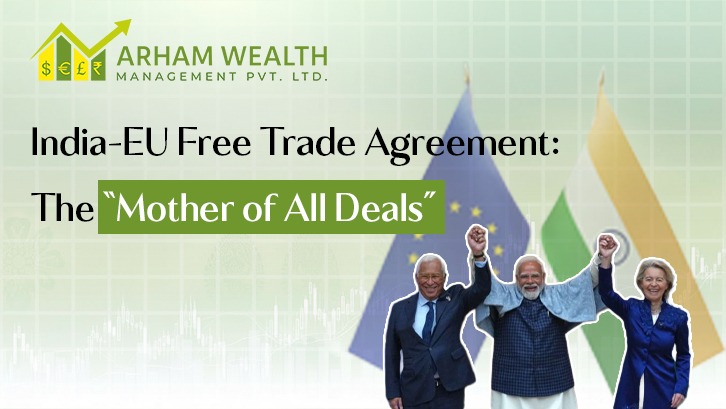
On January 27, 2026, after nearly two decades of negotiations, India and the European Union (EU) officially concluded a landmark Free Trade Agreement (FTA)—a pact both sides are calling the “Mother of All Deals.”
This historic agreement marks a new chapter in economic cooperation between India and the 27-nation EU bloc and is expected to have far-reaching implications for trade, investment, jobs, and global economic strategy.
Why It’s Called the “Mother of All Deals”
The FTA has earned this label due to its scope, scale, and strategic significance:
What the Deal Includes
The India–EU FTA goes beyond just cutting tariffs:
Strategic Importance for India
For India, the agreement is far more than a trade pact:
Exports get a boost: Indian industries such as textiles, gems and jewellery, leather, chemicals, pharmaceuticals, and IT services are expected to expand their footprint in Europe.
Diversifying export markets: This deal helps India reduce reliance on traditional markets and buffers exporters against global trade uncertainties.
Global economic positioning: India’s integration with one of the world’s richest economic blocs strengthens its role as a vital hub in global value chains.
Attracting investment: Easing market access and regulatory barriers is expected to bring in more foreign investment into sectors like clean energy, manufacturing, and services.
What Happens Next?
Although the FTA text has been agreed upon, the legal finalisation and ratification process will take some months. After legal reviews and approvals in the EU and India, the deal is expected to be implemented through 2026–27.
Best Security
Best Infrastructure
Best Platform
Dedicated Support
24/7 Support
Join 50,000+ smart investors who trust Arham Wealth for their trading journey. Experience the fastest execution and expert market insights.